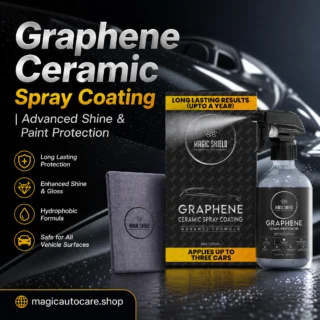
Graphene Ceramic Spray Coating | Advanced Shine & Paint Protection
If you’ve spent any time browsing detailing forums or scrolling through car care ads lately, you’ve probably run into the term “graphene.” It feels like it’s everywhere right now, and honestly, for…
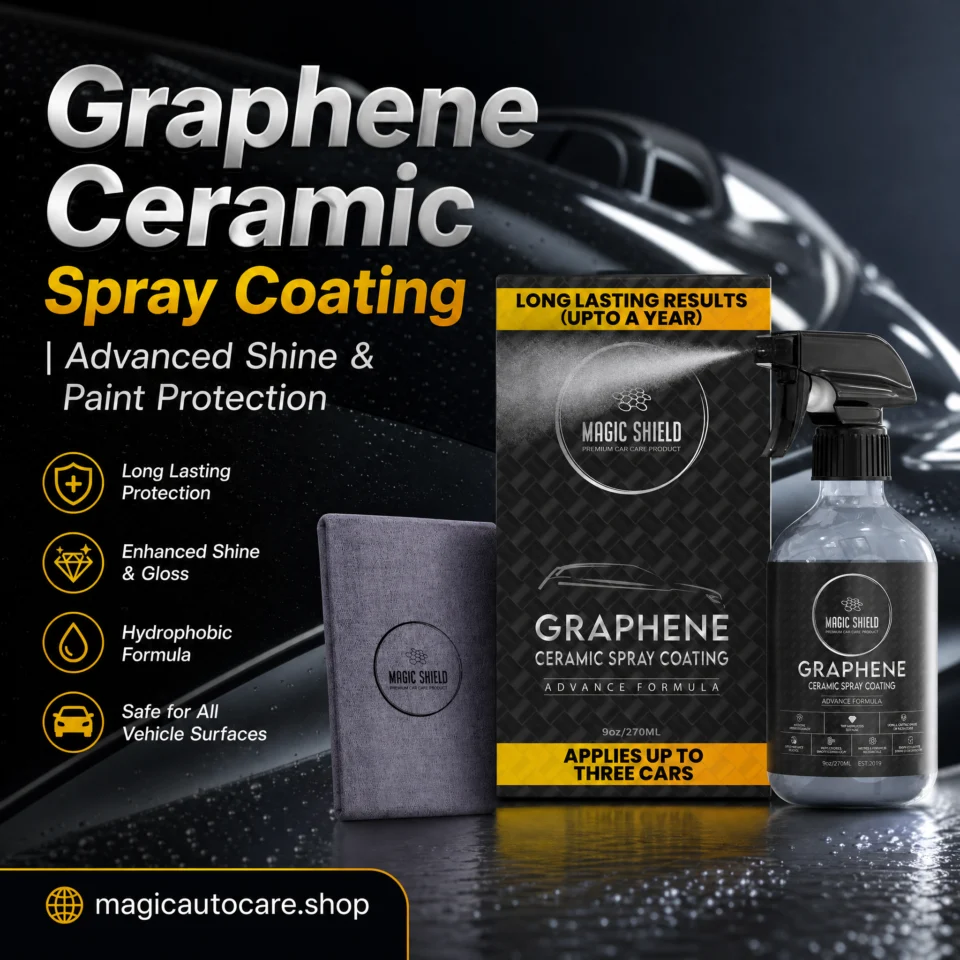
If you’ve spent any time browsing detailing forums or scrolling through car care ads lately, you’ve probably run into the term “graphene.” It feels like it’s everywhere right now, and honestly, for good reason. Graphene ceramic spray coating has become one of the most talked-about things in automotive paint protection, promising that slick gloss of a professional ceramic job, but without the professional price tag or the all-day application process. Still, is it actually different from regular ceramic coatings, or is it just clever marketing, dressed up a bit? Let’s sort through what this stuff is, how it works, and whether it deserves a place in your garage.
What Is Graphene Ceramic Spray Coating?
Graphene ceramic spray coating is a liquid paint protection product that blends silica-based ceramic chemistry with graphene oxide particles. It gets applied by hand, either in spray or liquid form, directly onto paint, glass, wheels, or trim that’s been cleaned first; then you wipe it down and leave it to cure
Unlike the full-on ceramic coating kits that need a panel-by-panel routine, longer cure times, and often a controlled garage setup, a spray coating is made for speed. You spray it onto a section, buff it in, move on to the next panel, and you’re usually finished with the entire car in under an hour, give or take
The “graphene” part is basically a type of carbon arranged as a single ultra-thin layer. When it’s mixed into a ceramic formula, it’s meant to help the layer bond in a more even way and add extra defense against heat and UV exposure that silica-only formulas don’t really provide on their own.
How does Graphene Ceramic Spray Coating actually work?
When you apply it, the product cures into this really thin, sort of semi-permanent coating layer that attaches to the clear coat on a molecular level. It’s kinda different from traditional wax, because wax just sits up there on top like a film, and it doesn’t really bond the same way.
So, during the bonding process, a few things are happening at the same time:
– the ceramic part, made from SiO2, slides into microscopic imperfections in the clear coat, then it hardens into a glass-like skin
– the graphene particles move through that layer, and they help make the surface feel more dense and even, which is more than silica alone can do
– because of that tighter, packed structure, you get the hydrophobic car coating behavior — water has a hard time gripping onto the surface, so it beads up, and then it rolls off, rather than spreading out and drying into dull water spots
– also, the layered structure changes how light reflects, so you end up with that deeper wet-look shine compared to bare paint
In the end, the panel surface becomes smoother, slicker, and more resistant to chemicals than the paint by itself, and you typically avoid the multi-day curing schedule that comes with a professional-grade ceramic setup.
Key Benefits of Graphene Ceramic Spray Coating
So basically, when you spray it onto your vehicle, you end up with a bunch of real-world stuff like this:
Strong hydrophobic behavior — water tends to bead up and slide off fast, basically taking mud, dust, and road grime along with it
High gloss paint protection — the surface looks more reflective, like the color has a deeper glow than wax can usually do on its own
UV and oxidation protection — it can help slow paint fading and clear coat breakdown that comes from long sun exposure
Heat endurance — graphene moves heat more efficiently than silica, which may let the coating deal with hotter zones like an engine bay, brake dust areas, and even hot pavement better
Chemical resistance — things like bird droppings, tree sap, and bug splatter are less likely to etch into the clear coat, as long as you rinse or clean them in a reasonable window
Quicker maintenance washes — dirt has a harder time sticking, s o washing becomes faster and usually less fussy
DIY friendly application — you usually don’t need a climate-controlled shop, fancy equipment, or a professional setup
But none of that means your paint turns into, I dunno, something indestructible. Rock chips, deep scratches, and plain neglect will still show up. What you’re really purchasing is a noticeable step up in protection plus easier care, not some kind of armor plating situation
Graphene Ceramic Spray Coating vs. Traditional Ceramic Coating
This comparison is a little strange, but also kinda fair, because both products run on similar base chemistry, at least in the way they bond and act on the surface. Still, how they’re put on is where the real difference starts.
Traditional (professional-installed) ceramic coating:
– Usually applied by a trained technician, often over 1–2 days
– Needs paint correction beforehand for the best outcome; without it, you’ll notice unevenness or leftover defects
– Can last around 2–5 years depending on the coating itself and how the car is kept up
– Higher upfront cost, no surprises there
Graphene ceramic spray coating:
– Applied by the owner, in an afternoon, pretty quick honestly
– No paint correction is required, but it helps a lot if you want that “fresh from the shop” look
– Typically lasts several months, sometimes up to about a year
– Lower cost, and it’s easy to refresh as a quick top-up
Try thinking of it like this: a professional ceramic coating is like a long-term commitment, while a spray coating is a more maintenance-friendly compromise, somewhere between wax and a full ceramic setup. A lot of owners end up doing both; they’ll get the pro base down, then they add a graphene spray periodically to bring back gloss and keep the water-repellent behavior strong.
How to Apply Graphene Ceramic Spray Coating
Application mistakes are pretty much the #1 reason people feel let down by these products. If you follow the steps, you’ll see results that actually line up with what the bottle claims, not just “kinda there” protection.
Step 1: Wash the Vehicle, Thoroughly
Go with a pH-neutral car shampoo, and use the two-bucket method so you don’t reintroduce dirt into your wash mitt. Any leftover grime will get basically sealed under the coating if you skip it…which you really shouldn’t
Step 2: Decontaminate the Paint Surface
After washing, run a clay bar—or a clay mitt—over everything. This kind of step removes bonded contaminants like tar, rail dust, and industrial fallout that a normal wash usually can’t deal with. If you skip this step, it’s one of the most common reasons for streaking, because the coatingcan’tt grip or bond evenly over a contaminated skin of the paint.
Step 3: Let it Dry Completely
Use a fresh microfiber towel, or maybe a leaf blower/air dryer, and remove all the water that you can. If there is any little bit of moisture left on the surface, it can mess with bonding, and you end up with that uneven,n spotty kind of finish, which is kinda annoying.
Step 4: Do It in Small Sections
Spray a light, even coat onto one panel only —don’t try to do the whole car at once. Putting too much product in one go is a pretty common blunder, and it tends to cause streaking, plus a hazy finish that looks off.
Step 5: Buff It In, for Real
With a clean, dry microfiber towel, buff the section using circular motions while the product is still workable. Also, switch to a clean side of the towel fairly often so you are not just spreading the leftover excess product around again.
Step 6: Let it Cure
Most spray coatings need 30 minutes to a couple of hours to cure all the way, and that time can stretch out if the humidity is high. During that window, keep the vehicle out of rain and out of direct sun; also try not to wash it for at least 24 to 48 hours, ok
Step 7: Check for High Spots
After it cures, take a look over the panels from an angle, in solid light. If you spot any hazy or streaky areas, then a quick go over with a clean microfiber cloth and a little detail spray typically smooths things out right away.
How long does a graphene ceramic spray coating last?
Usually, most decent graphene spray coatings hang around for about six months to a year, but it depends on what’s actually happening out there in the real world. Like, you know, not just the marketing stuff.
It can last less or more based on stuff like how often the vehicle is washed and what kind of wash products are used. Also, whether it’s mostly parked inside a garage or left out outdoors. Climate plays a big role too—strong sun, road salt, and huge temperature swings tend to shorten the lifespan, sometimes faster than you’d expect. And if you’re running it through an automatic car wash with rough brushes and pretty aggressive chemicals, that can really knock the coating down over time, especially if it happens regularly.
You’ll usually know it’s time to reapply when the water stops beading in that tight way and instead starts running out in a more flat sheet look over the surface. Or when the paint seems a bit duller than you’re used to, kinda less glossy, less slick.
How to Keep a Graphene-Coated Vehicle Looking Good
A coating helps your paint keep that slick shine, but it still kinda needs routine care — not just “apply and forget.” If you do a few simple things, the whole setup tends to last longer.
Start with a wash using pH-neutral soap. Strong detergents can wear the coating down faster, so it’s worth being careful here. Then try to avoid automatic car washes with brushes, because the physical scrubbing can mess with the surface. Touchless washes are usually safer for the coating.
After washing, dry the vehicle using a microfiber towel or a proper drying aid. This step matters, since leftover water can dry into stubborn water spots. Between washes, you can use a ceramic-safe spray detailer to refresh the hydrophobic behavior, sorta like topping up the beading and slickness.
Also, when you can, park in the shade. Less UV exposure over time usually means less wear. And if you see bird droppings or tree sap, clean them promptly. Even with protection, those can leave marks if they sit too long.
Common Application Mistakes to Steer Clear Of
Trying to work over dirty or contaminated paint— that stuff gets trapped underneath, and then you get an uneven, sort of weak bond
Putting on too much product per panel; it usually ends up streaky and looks sort of hazy, smudged, all at once
Skipping the clay bar step, which is honestly one of the biggest reasons for bad adhesion
Applying it in direct sunlight or on a hot surface, the coating can end up flash-drying before you even finish buffing, and you’re left with high spots
Not letting it cure all the way before washing, because early water contact can mess with the bond
Buffing with a towel that’s not clean; it quietly brings back grit, and that can scratch the new layer
A lot of the complaints about streaking or poor durability basically come down to one of those steps being rushed a bit too hard, not really done with patience
Is graphene ceramic spray coating worth it?
For most car owners, yes. If you already wax your car every month or two, switching to a graphene ceramic spray coating usually means you apply it less often; you get stronger water beading, better gloss stability, and extra defense against UV light and chemical scuffs — and the total yearly cost can land pretty similar, sometimes even lower.
It’s a great match if you:
– Want solid automotive paint protection without paying for a pro install
– Like doing your own detailing work, not just paying someone else
– Have a newer car, and you want to keep that factory sparkle
– Are tired of reapplying wax every few weeks, because yeah, it adds up
– Prefer a DIY ceramic coating style that doesn’t demand special gear or special prep tools
It’s less needed if your car already has a professional ceramic coating that’s still in good shape, or if you rarely wash your car and you’re not really willing to do basic upkeep, because honestly, no coating performs great without some care in between washes.
FAQs:
What is graphene ceramic spray coating?
Graphene ceramic spray coating is basically a spray-on paint protection thing that sort of merges ceramic chemistry (SiO2) with graphene particles. The idea is that it creates a hard, shiny, water-repelling layer that actually sticks to your car’s clear coat.
So, is graphene ceramic spray coating worth it?
Most drivers would say yes, because it usually gives stronger protection than wax, and it tends to last longer too. Also, the whole application is kind of painless, quick, and easier than getting a professional ceramic coating done.
How long does it last, though?
Usually around six months to a year, but it can change with your climate, how often you wash the car, and even how it sits in storage.
How do you apply graphene ceramic spray coating?
You apply graphene ceramic spray coating: first, you wash everything and clay the paint a bit, then you dry it completely. After that, spray a light coat on just one panel at a time, then buff it in with a clean microfiber towel, like not too much pressure or anything. Finally, let it cure fully before you wash again
Does graphene ceramic coating protect car paint?
For the question Does graphene ceramic coating protect car paint, yeah, it does. It gives an extra little resistance layer for UV rays, oxidation, those small chemical marks, and also water spotting. But it still won’t stop physical issues like scratches or rock chips, because that’s more about impact, not bonding.
Now, is graphene coating better than wax?
In a general sense, yes, especially for durability, gloss retention, and water beading/hydrophobic performance. Wax might be cheaper at the start, but you end up redoing it way more often. It also tends to provide less UV protection overall.
Can graphene ceramic spray coating cause streaking?
It can happen. Usually it comes from using too much product, working in direct sunlight, or not getting the paint fully cleaned and dried before you start. If you do the prep right and apply thin, even coats, you normally avoid streaking. Do I need to remove wax before applying it? Yes, you really do. Any old wax or sealant should be removed, either with a dedicated prep spray or a stronger car wash soap, so the coating can actually bond to the paint surface directly