How to Remove Tree Sap from Car Paint Safely
How to Remove Tree Sap from Car Finding sticky tree sap on your car can be frustrating, especially when it has dried onto the paint. What looks like a small spot can…
How to Remove Tree Sap from Car
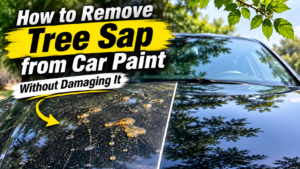
Finding sticky tree sap on your car can be frustrating, especially when it has dried onto the paint. What looks like a small spot can become difficult to remove if it stays on the surface for too long. Scraping it with your fingernail or rubbing it with a rough cloth may seem like a quick solution, but these methods can leave scratches or damage the clear coat.
So, how do you remove tree sap from car paint without damaging the finish?
The safest approach is to soften the sap first, use a product specifically designed for automotive sap removal, and work gently with clean microfiber towels. Once the sap is gone, you can check the paint for any remaining bonded contamination and decide whether additional decontamination is needed.
Why Is Tree Sap Difficult to Remove from Car Paint?
Tree sap gets sticky on trees. If it drops on a vehicle, it clings to the paint clear coat. If left on too long, it dries out and gets harder to clean.
Hot paint and direct sunlight don’t help matters. Warm paint tends to soften the sap and make it harder to remove, but letting it sit means the paint will just dry the sap out even more.
Tree sap draws dirt and dust to it, causing your vehicle to look messy.
Tree sap gets stuck on paint with the following signs:
Shiny sticky dots on the car’s roof and hood
Small, transparent or clear amber drops.
Areas on your paint that remain rough after a regular car wash.
A sticky residue on your car’s exterior, including the window panes, side view mirrors, and the entire body.
As the sap sits on your paint longer, more effort is required to get it off.
What You Need to Remove Tree Sap from a Car
Before starting, gather the right materials. Using clean tools and the correct cleaning method helps reduce the risk of scratching your vehicle.
You may need:
- A bucket of clean water
- Automotive car shampoo
- Soft microfiber towels
- A dedicated automotive tree sap remover
- A hose or clean water source
- A separate clean microfiber towel for drying
Avoid using rough sponges, abrasive pads, household cleaning chemicals, or sharp objects. These can damage the clear coat.
How to Remove Tree Sap from Car Paint: Step-by-Step
Follow these steps to remove tree sap carefully without unnecessary rubbing or scraping.
Step 1: Park in a Shaded Area
Step 2: Rinse the Affected Area
For the first step, spray down the area that you want to clean with clean water. You don’t need to do this extensively. All that is required is the removal of dirt and any other particles. The first step of the process is important because dirt can cause fine scratches on the surface. Don’t even try to rub the sticky tree sap while you spray down the area.
Step 3: Soften Fresh Tree Sap
Try using more advanced cleaning methods if your tree sap is fresh. Soften fresh sap by putting some car shampoo and water on a microfiber towel and applying the towel to the area for about one minute. Lift the towel to see the area. If you start seeing the sap break down, rub the sap with a new piece of microfiber. Always avoid vigorous scrubbing. If it’s not breaking down easily, stop rubbing, switch to sap remover for vehicles, and apply as directed.
Step 4: Use an Automotive Tree Sap Remover for Stubborn Spots
Dried tree sap may need a dedicated automotive tree sap remover.
Choose a product that is labelled as safe for your vehicle’s paint and follow its instructions carefully.
A general process is:
- Read the product label before application.
- Test the remover on a small, inconspicuous area first.
- Apply it as directed by the manufacturer.
- Allow the recommended dwell time.
- Gently lift the softened residue with a clean microfiber towel.
- Rinse the area if the product instructions require it.
Do not leave the remover on the paint longer than recommended. Different products have different formulas and application instructions.
If the sap remains stubborn, repeat the approved process rather than scraping or applying more pressure.
Step 5: Wash and Rinse the Area
After removing the sap, wash the affected panel with automotive shampoo and clean water.
This helps remove leftover cleaning residue and gives you a clearer view of the paint.
Rinse thoroughly and inspect the area under good lighting.
If the spot has disappeared, dry the panel with a clean microfiber towel. If a mark remains, do not assume it is still sap. It could be a stain or paint etching that requires a different treatment.
Step 6: Check for Remaining Paint Contamination
Sometimes, removing visible tree sap does not leave the paint completely smooth.
After washing and drying, gently check the surface. If it still feels rough, there may be bonded contamination remaining on the paint.
This is where a clay bar treatment may be useful.
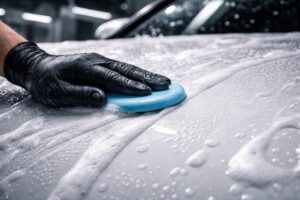
A clay bar is designed to lift bonded surface contaminants that regular washing may leave behind. It is not a substitute for a dedicated tree sap remover, especially when a thick or hardened sap deposit is still present.
For this step, use a suitable clay lubricant, work on a small section, and apply very light pressure. Follow the product instructions carefully. Dry or contaminated clay can cause paint marring.
Recommended product for paint decontamination:
The Magic Shield Clay Bar Kit can help remove remaining bonded contaminants and prepare the paint for polishing or protection after the sap has been properly removed.
Explore the Magic Shield Clay Bar Kit for vehicle paint decontamination.
Step 7: Apply Paint Protection if Needed
Once the paint is clean and completely dry, consider applying a suitable wax, sealant, or compatible ceramic coating.
This helps protect the finish and makes routine cleaning easier.
If your vehicle already has ceramic coating, follow the coating manufacturer’s maintenance instructions before applying any additional protection.
How Should You Maintain Your Car After Removing Tree Sap?
After cleaning tree sap, keeping the paint properly maintained can help preserve its appearance.
Wash your vehicle with a suitable automotive shampoo, use clean microfiber wash tools, and dry the paint without letting water sit on the surface.
If your car has ceramic coating, use a maintenance routine that is compatible with that coating. Avoid harsh cleaning methods and follow the manufacturer’s aftercare instructions.
For more guidance, read our Australian car-care guide: How to Wash a Car with Ceramic Coating.
Although this guide is written for Australian drivers, its general washing and coating-maintenance advice can also help car owners in other regions.
FAQs:
How do you remove tree sap from car paint without damaging it?
Use a dedicated automotive tree sap remover that is labelled safe for your paint. Apply it according to the manufacturer’s instructions, allow the recommended dwell time, and gently lift the softened sap with a clean microfiber towel. Avoid scraping or aggressive rubbing.
How do you remove dried tree sap from a car?
Dried sap may require an automotive-specific sap remover. Work on cool paint in the shade, follow the product instructions, and gently remove the softened residue. Do not use sharp objects or household solvents.
Can tree sap permanently damage car paint?
Yes. If tree sap remains on the paint for a long time, heat and exposure can contribute to staining or etching. Prompt, careful removal helps reduce the risk of lasting marks.
Does a regular car wash remove tree sap?
A regular car wash can remove loose dirt and some fresh residue, but it may not remove hardened tree sap. Stubborn deposits usually need a suitable automotive sap remover.
Will tree sap damage ceramic coating?
Tree sap can stick to ceramic-coated paint too. A coating does not make a vehicle immune to contamination. Remove sap promptly using a cleaning method approved for your coating, and follow the coating manufacturer’s care instructions.
How often should I check my car for tree sap?
Check your vehicle regularly, especially if it is parked outdoors or beneath trees. Removing fresh sap early is generally easier than dealing with hardened deposits later.